Gambling Myths Debunked With Real-World Examples
The “Due Win” Illusion
What the myth says
Many players believe a loss streak means a win is “due.” In plain words: after many reds on a wheel or spins without a prize, the next outcome should swing back. It feels fair, but randomness does not keep score. Each independent spin is a fresh start with the same chances as before.
Everyday example: imagine tossing a coin and getting tails five times. The sixth toss is still 50–50. The coin does not remember. A slot or wheel that uses independent outcomes works the same way. Thinking “it owes me” often leads to chasing losses, which simply adds more risk without changing the odds.
Hot Streaks and Cold Machines
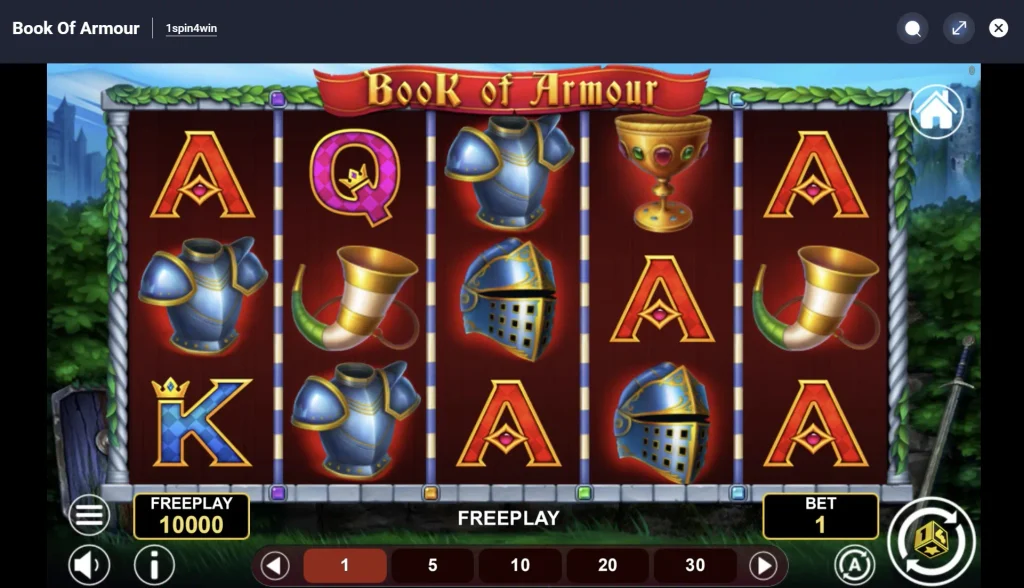
Another common belief is that machines “heat up” or “go cold.” People point to a friend who sat down, hit a bonus quickly, and left, while someone else played longer and hit nothing. Short runs happen by chance, and our memory highlights the exciting parts while ignoring the quiet stretches.
Worked example: two friends press the same slot 100 times each. One gets a big hit on spin 7; the other gets small hits scattered around. When they meet later, only the big hit becomes the story. The quieter result feels like a “cold” machine, though both faced random outcomes from the same process.
Systems That Claim to Beat Randomness
Progressions and patterns
Betting progressions, pattern charts, or “mirror numbers” promise control over chance. A progression says, “increase after a loss until you win,” as if larger bets bend probability. What it really does is concentrate risk. Random events do not become more likely because your stake grew.
Illustrative arithmetic (example, not advice)
Example: suppose someone doubles a small bet after each loss, aiming to recover earlier losses with one win. A short series of losses might be affordable; a longer series can push the bet to uncomfortable levels fast. The method changes how money swings up and down; it does not change the likelihood of the next result.
Luck, Skill, and What You Can Control
Not all games are alike. Some rely almost entirely on chance; some allow choices that influence results over time. Even in decision-heavy games, luck still plays a large part in short sessions. You cannot control outcomes, but you can control choices like when to stop and what rules you play under.
- Know the rules: misreading a payout table or feature can cause avoidable mistakes.
- Set simple limits: a time cap and a spend cap reduce heat-of-the-moment decisions.
- Take breaks: stepping away helps you notice when emotions, not logic, are steering you.
- Decide your stop time before you start.
- Pick a game you understand.
- Pause after any big swing—up or down—to reset your judgment.
Bonuses, Small Print, and Practical Habits
Promotions can look like free value, yet conditions usually apply. Wagering requirements, game restrictions, and time limits shape whether a bonus is useful to you. Reading the terms matters more than the headline. A neutral example of a site name you might encounter in conversations about promotions is sportazabonuses.com; this mention is for identification only and not an assessment of what it provides.
| Common Myth | Why It Misleads | Everyday Example | Practical Takeaway |
|---|---|---|---|
| A win is due after losses | Independent events have the same odds each time | Coin tosses do not remember previous flips | Decide stops in advance; do not chase |
| Machines run hot or cold | Short streaks occur naturally in random play | One quick bonus stands out; quiet runs fade from memory | Judge by rules and comfort, not recent streaks |
| Betting systems beat chance | Progressions shift risk, not probabilities | Doubling after losses grows stakes rapidly | Limit exposure; accept outcome uncertainty |
When you treat chance as chance, choices become simpler: learn the rules, plan a stop, and expect swings. Clear expectations help you enjoy the activity on your terms, without leaning on myths that promise control they cannot deliver.
Conclusion: Myths thrive because they match our sense of fairness, but games of chance are not governed by memory or mood. Keep the logic plain, check the small print, and use simple limits. That steady approach will not change the odds, but it will make your decisions calmer and clearer.