
Risk-Focused Editorial: Debunking Common Gambling Myths
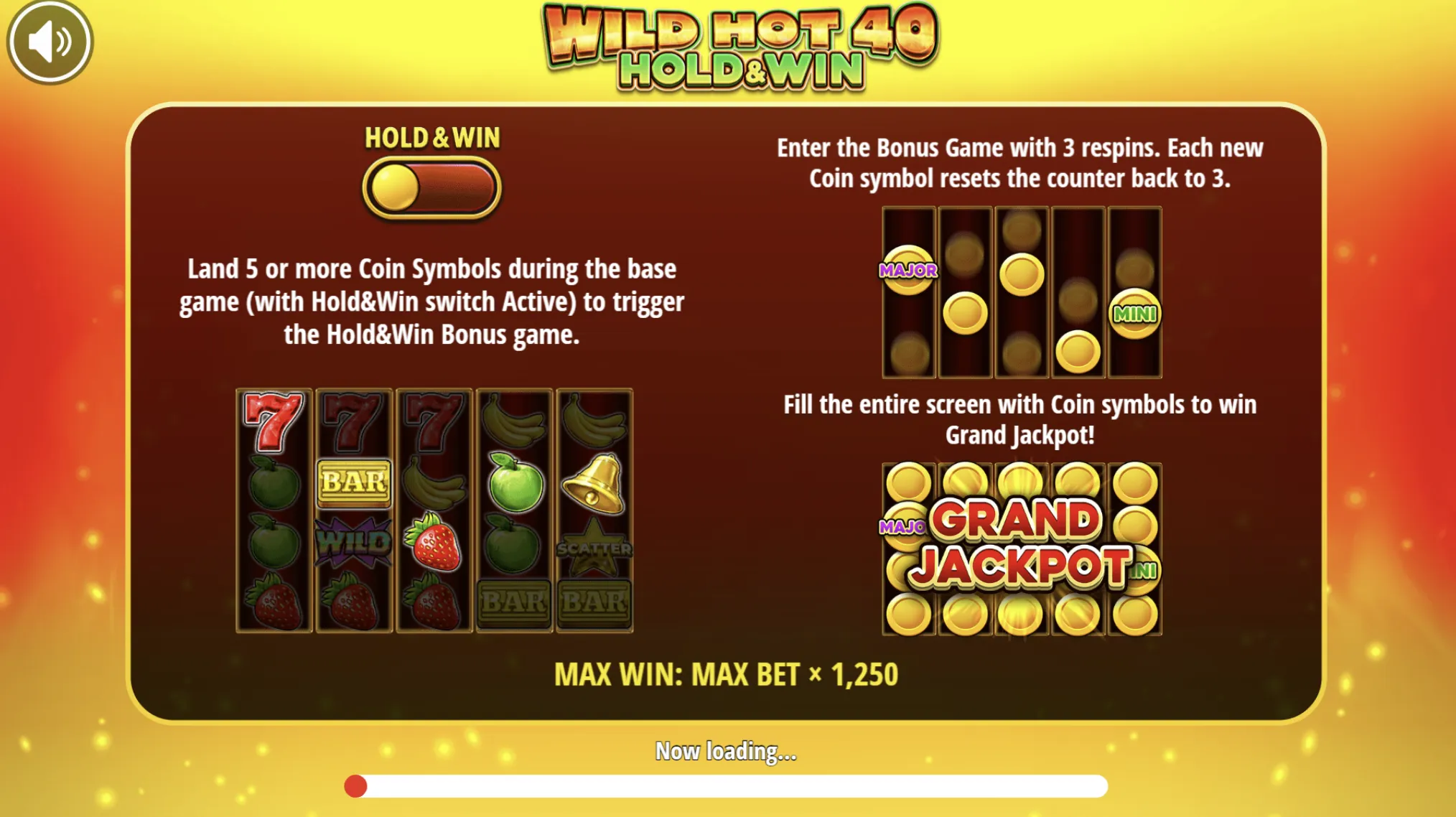
Myth 1: “A win is due any minute”
What it means: People often believe that if losses have stacked up, a win must be around the corner. Why it matters: In most games, each spin, hand, or round is independent; the game does not “remember” your last results. Depending on past outcomes can tempt you into longer sessions and bigger stakes, even when nothing has changed except your mood.
Example (illustration, not advice): If you flip a fair coin and get tails five times, the next flip is still a 50–50 chance. The earlier flips do not tilt the next one. Treating a slot spin or roulette turn the same way reduces the urge to chase a “due” win.
Myth 2: “I can spot a hot machine or table”
What it means: Players scan for patterns—lights, recent payouts, chatter at a table—and assume they reveal which game is “hot.” Why it matters: In games driven by chance or random number generators, short streaks are common yet meaningless. Assigning skill to randomness can lead you to switch games constantly, confusing luck with insight.
Everyday check
Ask yourself: “If this pattern vanished tomorrow, would my reasoning still hold?” If not, it is probably noise. Example (illustration): Seeing two quick payouts in ten minutes is expected in a random process; it does not predict the next ten minutes.
Myth 3: “Small bets are always harmless”
What it means: Because each stake feels tiny, total risk seems low. Why it matters: Frequency multiplies cost. Many small wagers over a long session can add up faster than one larger bet, especially when breaks are rare and excitement is high.
Simple arithmetic lens
Example (illustration): Ten rounds at modest stakes can equal or exceed one larger wager, and that can repeat across an evening. A practical way to see this is to set a firm session budget and time limit before you start, then track both in plain numbers rather than feelings.
- Decide your stop time in advance.
- Note your starting funds clearly.
- Pause if you reach either limit—time or funds—first.
Myth 4: “Bonuses remove the risk”
What it means: Offers can feel like free play. Why it matters: Promotions usually come with conditions—such as playthrough requirements or game restrictions—that shape how and how long you must play. These rules can stretch sessions and increase exposure to ordinary variance, even if the initial funds felt extra.
Neutral note: Listings such as mystakebonuses.com exist online, but a name alone does not tell you the terms. Always read the actual conditions on the provider’s page before you decide whether to join or ignore an offer.
| Common belief | What’s usually true | Why it matters in practice |
|---|---|---|
| “Free money removes risk.” | Conditions guide how you can use it. | Can extend play beyond your plan. |
| “Instant cash-out is typical.” | Withdrawals may need completed rules. | Expect delays tied to requirements. |
| “Any game is fine.” | Some games might not qualify. | Your choice set may be smaller. |
Myth 5: “I can win back losses if I try harder”
What it means: After a setback, it is natural to think that focus or effort can turn the tide. Why it matters: In chance-based games, effort does not change the probabilities. Trying harder often means playing faster, raising stakes, or skipping breaks, which increases the swing you experience.
- Pause and label the feeling (“I want to recover fast”).
- Check a prewritten stop rule (example: “End the session if I feel rushed”).
- Leave the game for a set, short interval before any decision.
Example (illustration): If you lose early in a session, taking a walk and checking your time and budget often leads to calmer choices than immediately opening another table “to get even.” The goal is not to force a result but to protect your limits.
Conclusion: Myths grow in the gaps between emotion and probability. By testing beliefs against simple, everyday checks—independence of events, the cost of longer sessions, and the real terms behind promotions—you reduce avoidable surprises. Play, if you choose to, with clear limits, plain numbers, and planned pauses rather than hunches.